Need rodent & wildlife removal services in Schaumburg?
Tell us what you are seeing at home. Send a request or reach out by email, and we will point you to a local provider in our network.
No obligation
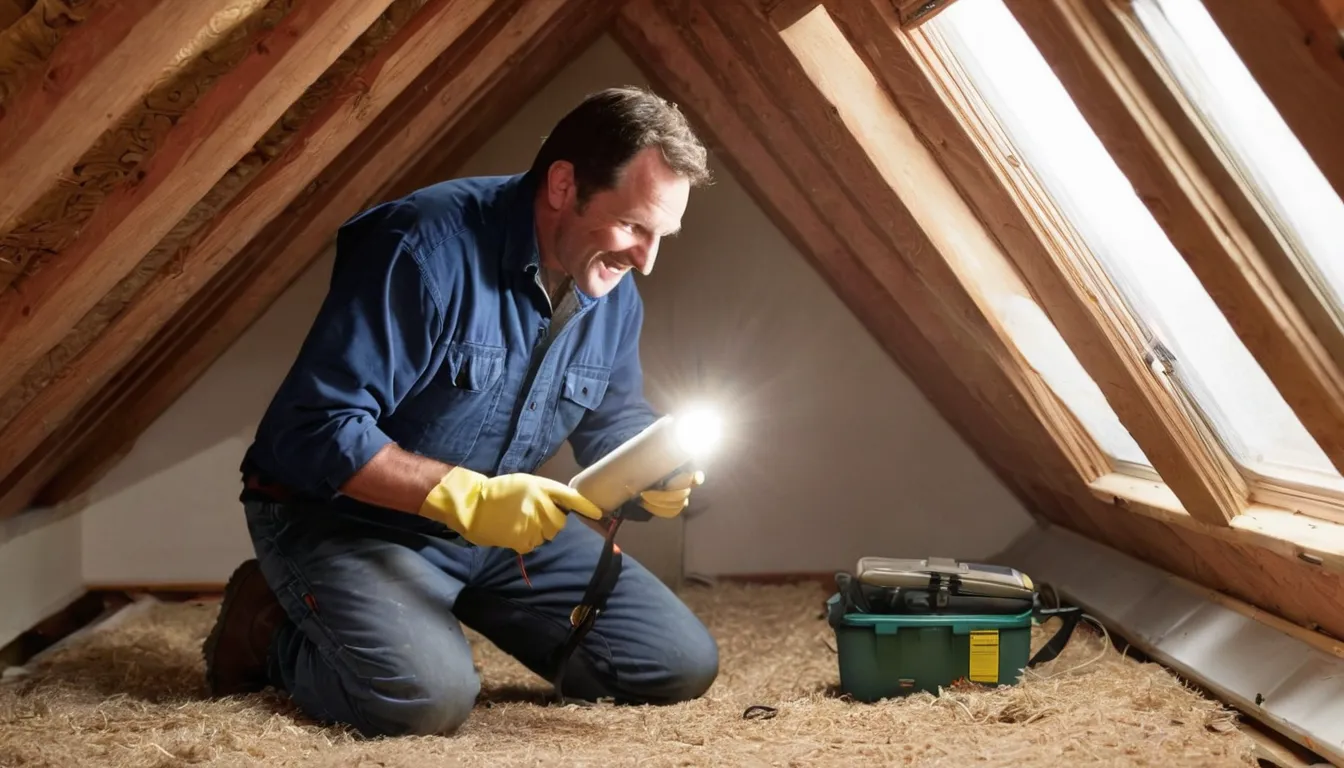
Finding mice in the pantry or something heavy moving above the ceiling is unsettling, especially if you have never dealt with it before. You do not have to figure it out alone. Developmentinvolves Pest Control is a referral service that connects homeowners in the Schaumburg area with independent providers who handle rodents and wildlife.
A provider in our network can look at your attic, walls, basement and roofline, work out what is living there and how it got in, and explain the options in plain words. Because the providers do the work, not Developmentinvolves Pest Control, you can compare estimates and ask questions first. Handled the right way, the job protects your house, your insulation and your resale value.
You hear thumping at dusk. Or you find chewed boxes in the basement. Either way, you probably typed something like "exterminator near me" and landed here.
This page is written for first-timers. It explains what the signs mean, what the work looks like and how to pick a provider you feel good about.
Animals do not stay small problems. Mice and rats breed fast. A few can turn into a full colony inside a wall in a single season.
They also chew. Wiring, pipes, ductwork and insulation are all fair game. Chewed wires are a fire risk, and torn insulation raises your energy bills.
Wildlife brings its own trouble. A raccoon can tear up a vent or roof edge. Squirrels can gnaw through fascia boards. Repairs get larger the longer the animals stay, and a damaged attic can raise questions when you sell.
Look and listen for these clues:
Droppings and nesting material can carry germs. Do not sweep them dry or vacuum them up. Stirring up dust is how people breathe it in.
Also skip the DIY poison. A poisoned animal can die inside a wall, and the smell can last for weeks. Poison can also harm pets and children.
These are the most common visitors. Mice can squeeze through a gap about the size of a dime. Rats need a bit more room but chew to widen openings.
Squirrels like attics and soffits. Raccoons often pry at roof edges and chimneys, especially when they are looking for a den. Both can cause real structural damage.
Bats are often protected by law, so special timing and methods may apply. Birds, opossums, skunks and groundhogs show up under porches, sheds and decks.
The provider checks the attic, crawl space, basement and outside walls. They look for entry points, droppings and nests, and they identify the animal.
The method depends on the animal. It may involve traps, one-way exit doors or exclusion work. Once the animals are out, the openings are sealed.
Many providers offer cleanup of droppings and nesting, and some can replace damaged insulation. Ask what is included in the written quote.
Rules about trapping, relocating and seasonal restrictions differ by state and town. Some species are protected, and baby animals may call for extra care.
A good provider knows the local rules and explains them before work starts. If a provider is vague about this, keep looking.
Cold winters with deep frost push mice and squirrels indoors to find warmth. Hot, humid summers bring more activity around damp basements and sump pump areas.
Older frame homes, bungalows and ranches often have small gaps at the foundation, rooflines and utility lines. Spring flooding and hail damage can open new gaps, too. A check after a big storm is a smart habit.
A few questions help you compare providers:
Get more than one quote if you can. Prices vary by job, and a clear written scope is worth more than a quick number.
Protect the house with a few simple habits:
Ask the provider to point out weak spots on your particular house.
A provider checks the attic, basement, roofline and outside walls to find the animal and how it got in.
Methods are chosen for the species, the season and local rules.
Gaps, vents and openings get closed so animals cannot return.
Many providers can clean droppings and nesting and suggest insulation repairs.
Prices depend on the animal, how many there are, and how hard your home is to reach. These are typical U.S. ranges only, so ask each provider for a written quote.
| Service | Typical range | Notes |
|---|---|---|
| Inspection and assessment | $75 – $300 | Some providers apply it to the job price |
| Mouse or rat removal | $200 – $700 | Often includes follow-up visits |
| Squirrel or raccoon removal | $300 – $1,000 | Higher if the animals have young |
| Bat exclusion | $500 – $3,000 | Timing rules and home size matter |
| Entry point sealing | $200 – $1,500 | Depends on the number and height of gaps |
| Attic cleanup and insulation | $1,000 – $6,000 | Varies with attic size and damage |
Tell us what you hear or see and where. Request a callback or use the request form to get started.
A provider in our network contacts you to set up a look at your home.
The provider explains the findings, the method and the price before work begins.
The provider handles the animals, closes entry points and explains how to keep them out.
Removing animals the right way limits damage to wiring, insulation and framing.
Providers explain each step in plain language, so you know what is happening and why.
Providers in our network work in your area and know local weather and housing.
Request an estimate with no obligation, and compare written quotes before you decide.
Tell us what you are seeing at home. Send a request or reach out by email, and we will point you to a local provider in our network.
Sound and timing help. Light, quick scratching is often mice. Heavier thumping at night may be rats or raccoons. Daytime noise suggests squirrels. A provider can confirm the animal by checking droppings, tracks and entry points.
It can be risky. Poison can lead to dead animals inside walls and may harm pets or children. Traps need the right placement and local rules vary. Many homeowners prefer to hire a provider to handle it safely and legally.
Coverage varies a lot. Many policies exclude damage from rodents or long-term infestations, while some may cover sudden damage. Check your policy, and ask the provider to help document the damage for a claim.
Tell us what you are seeing at home. Send a request or reach out by email, and we will point you to a local provider in our network.
No obligation